
This past Saturday, we gathered for an engaging and thought-provoking Men’s Conference, focusing on the evolving concept of masculinity in today’s society. With a carefully curated agenda, the event explored the complexities of what it means to be a man in the modern world, offering participants an opportunity to connect, reflect, and redefine masculinity. Welcome...
A Men’s Conference to Remember: The Evolution of What It Means to Be a Man and Redefining Masculinity
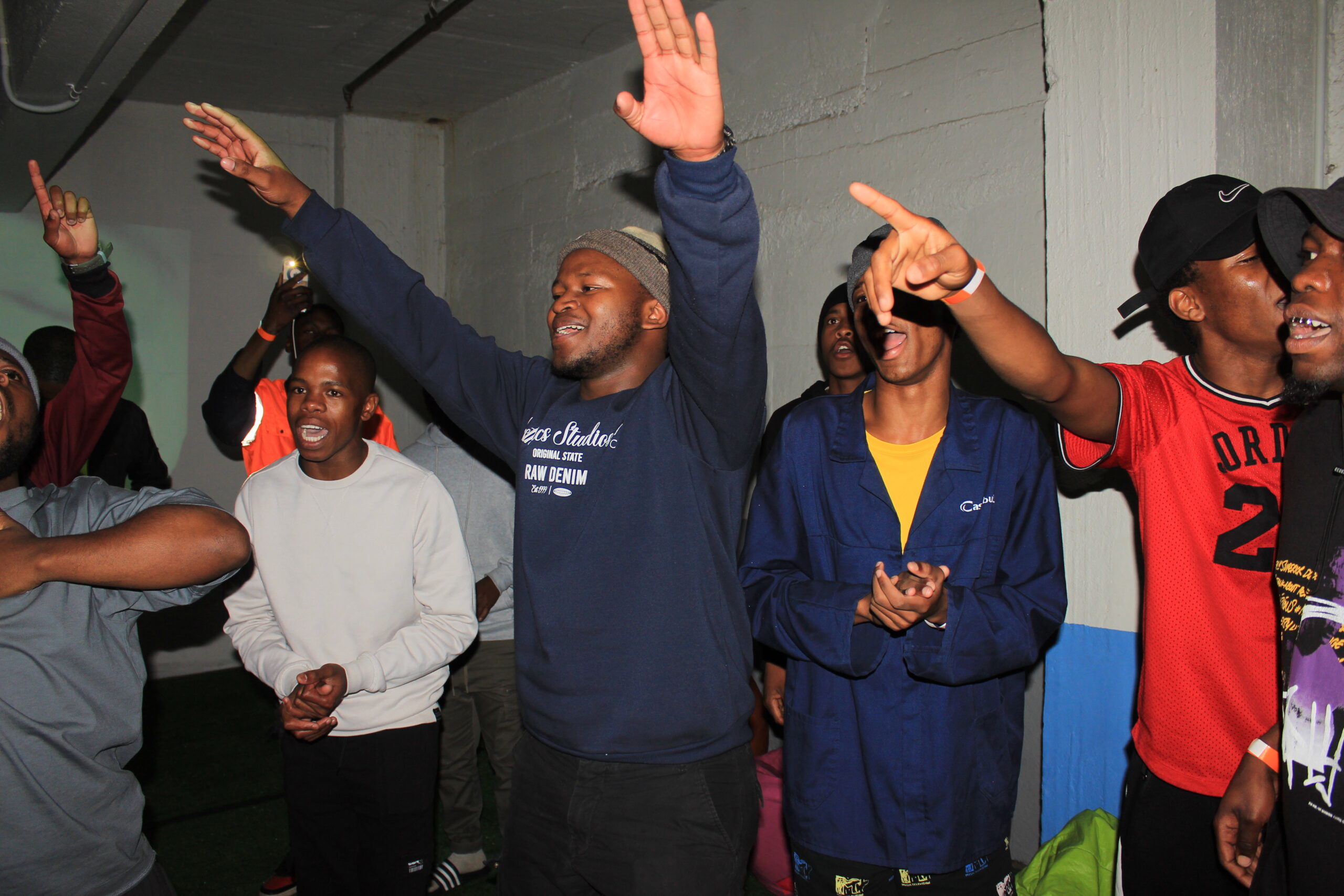
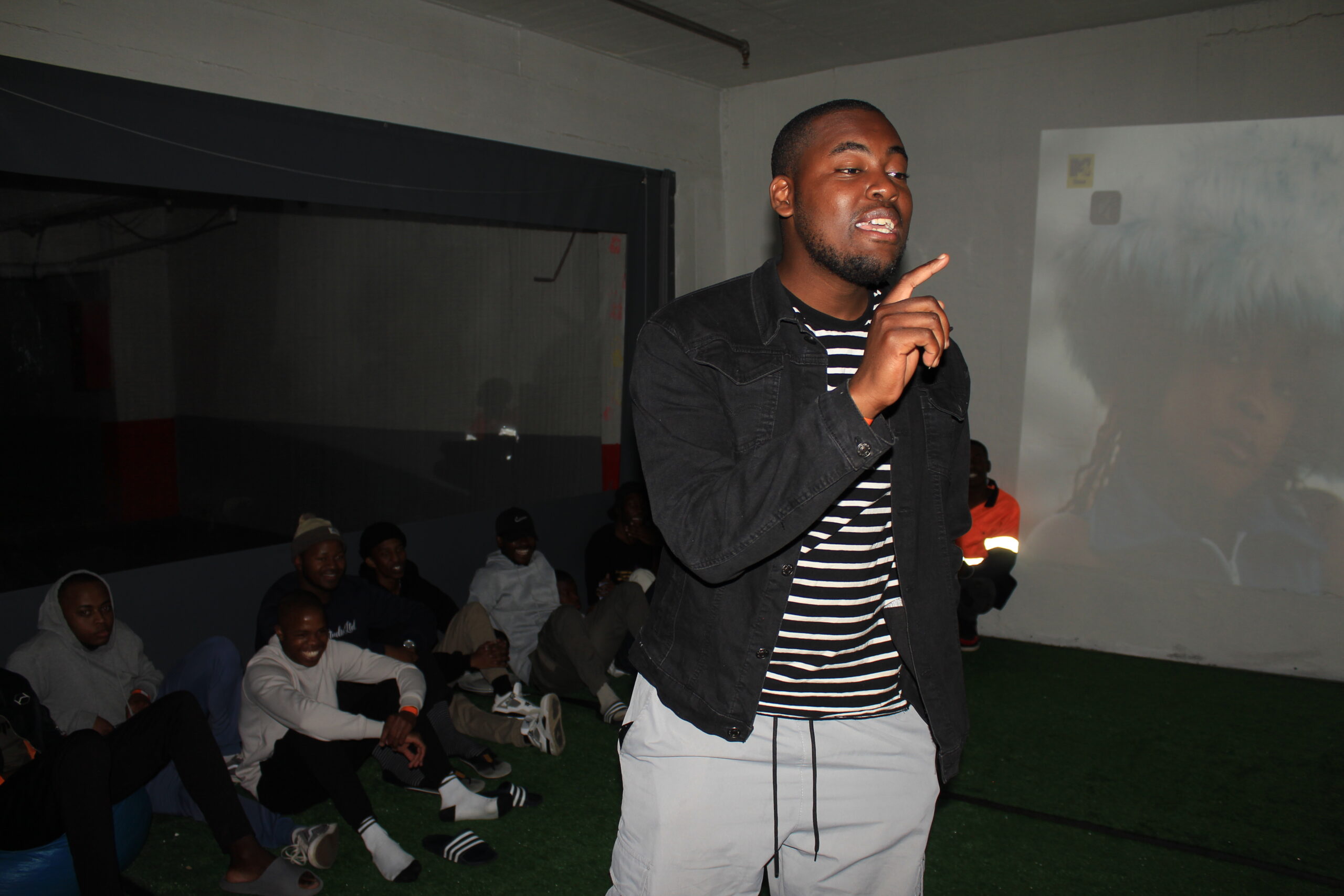
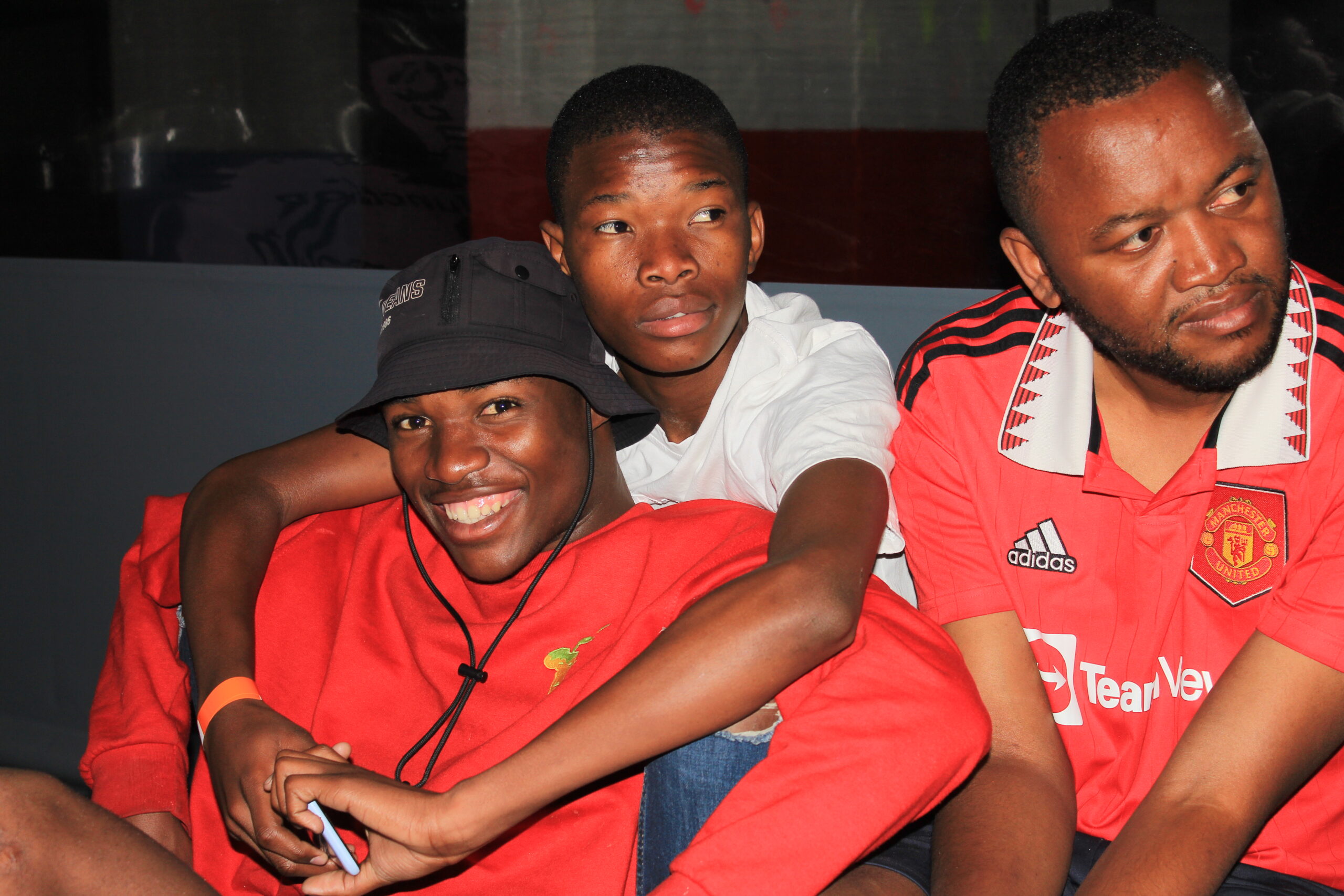
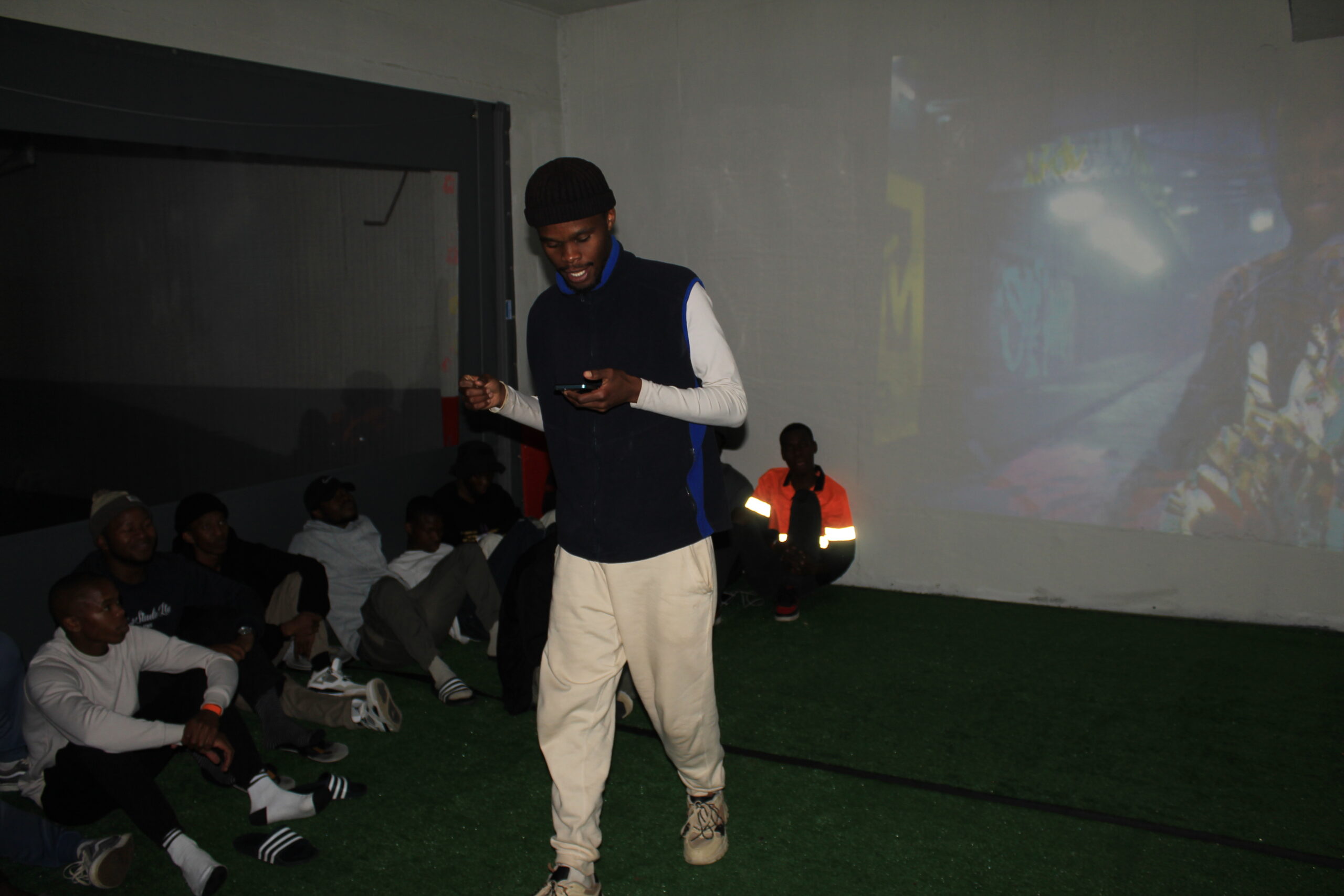
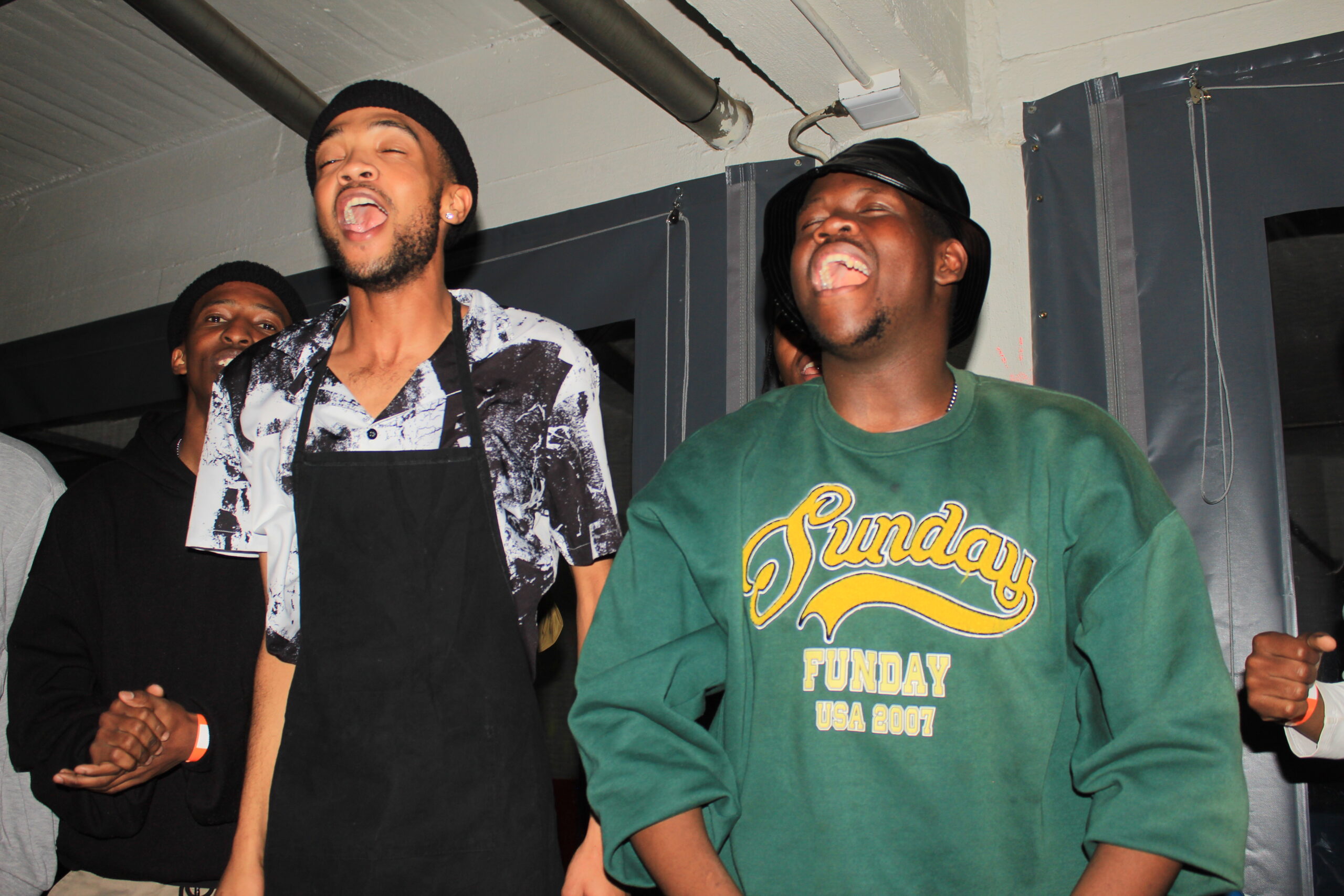
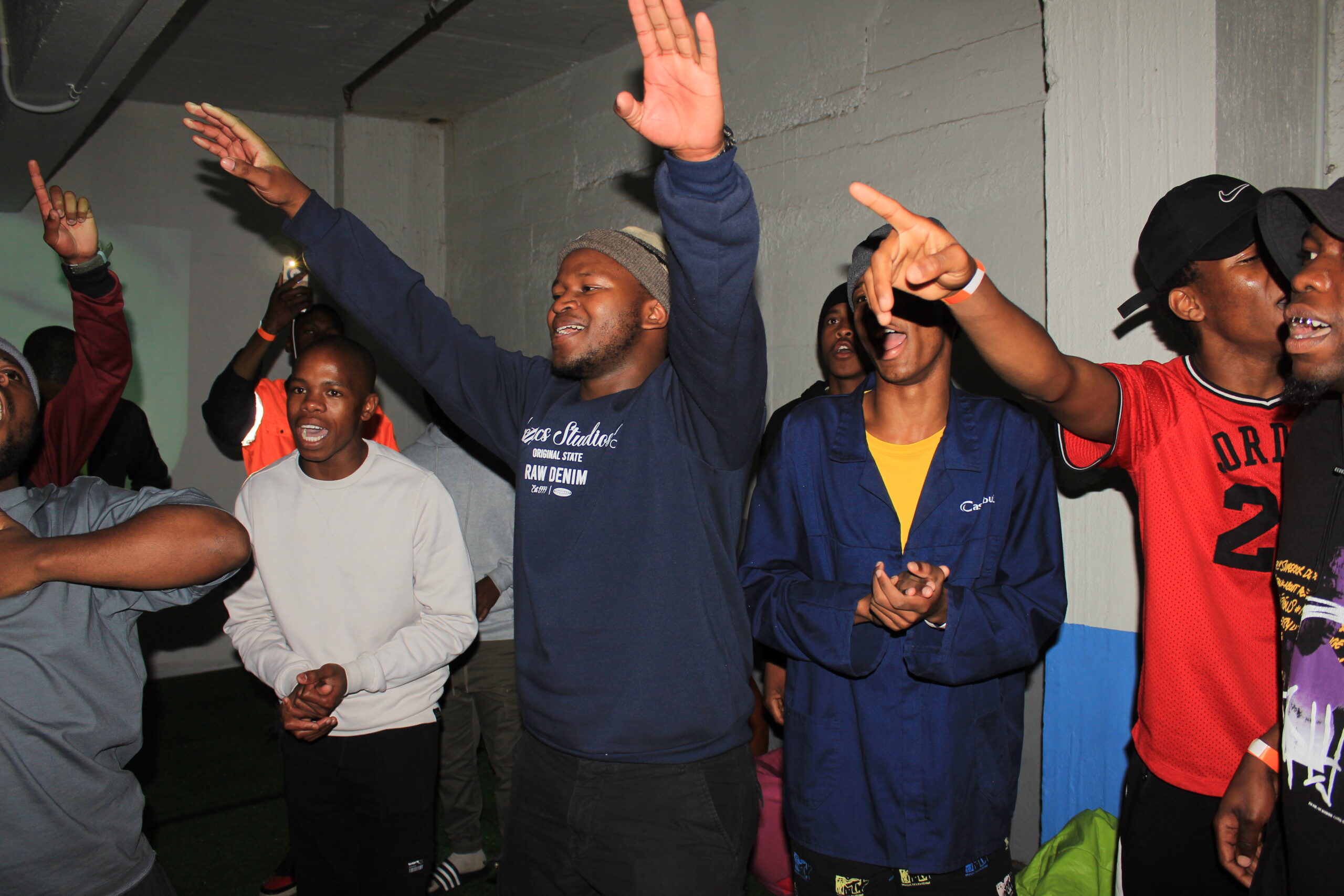
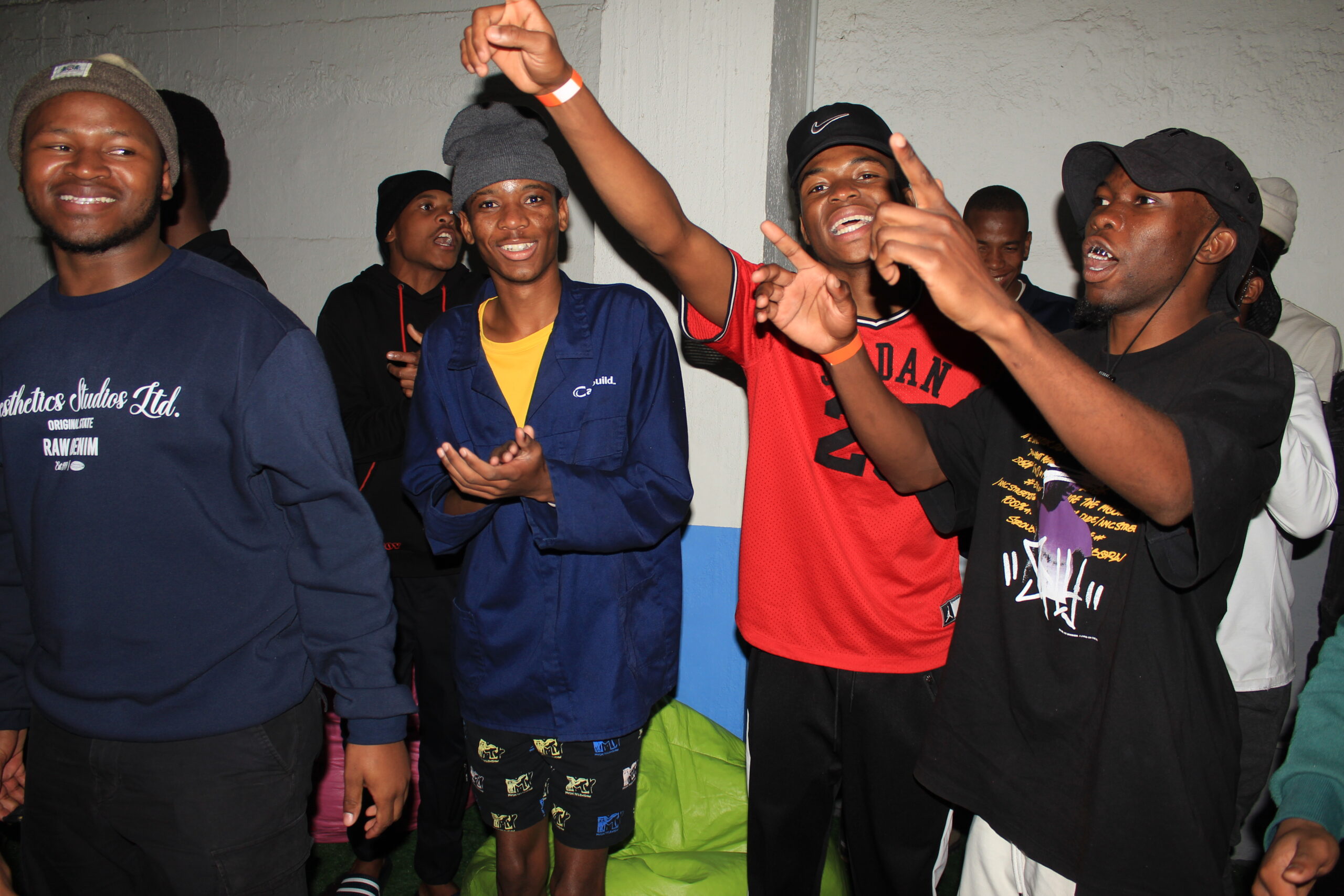
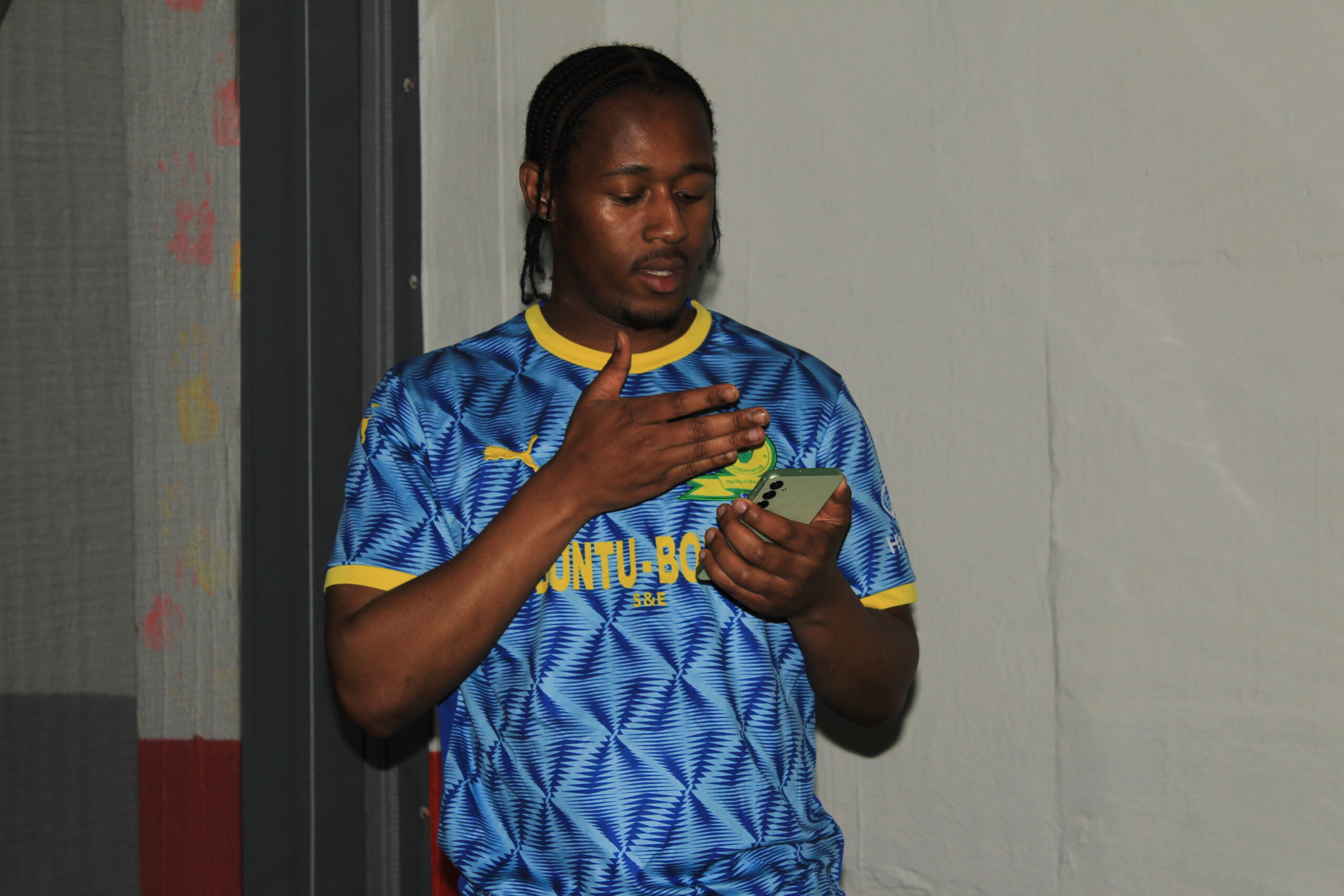
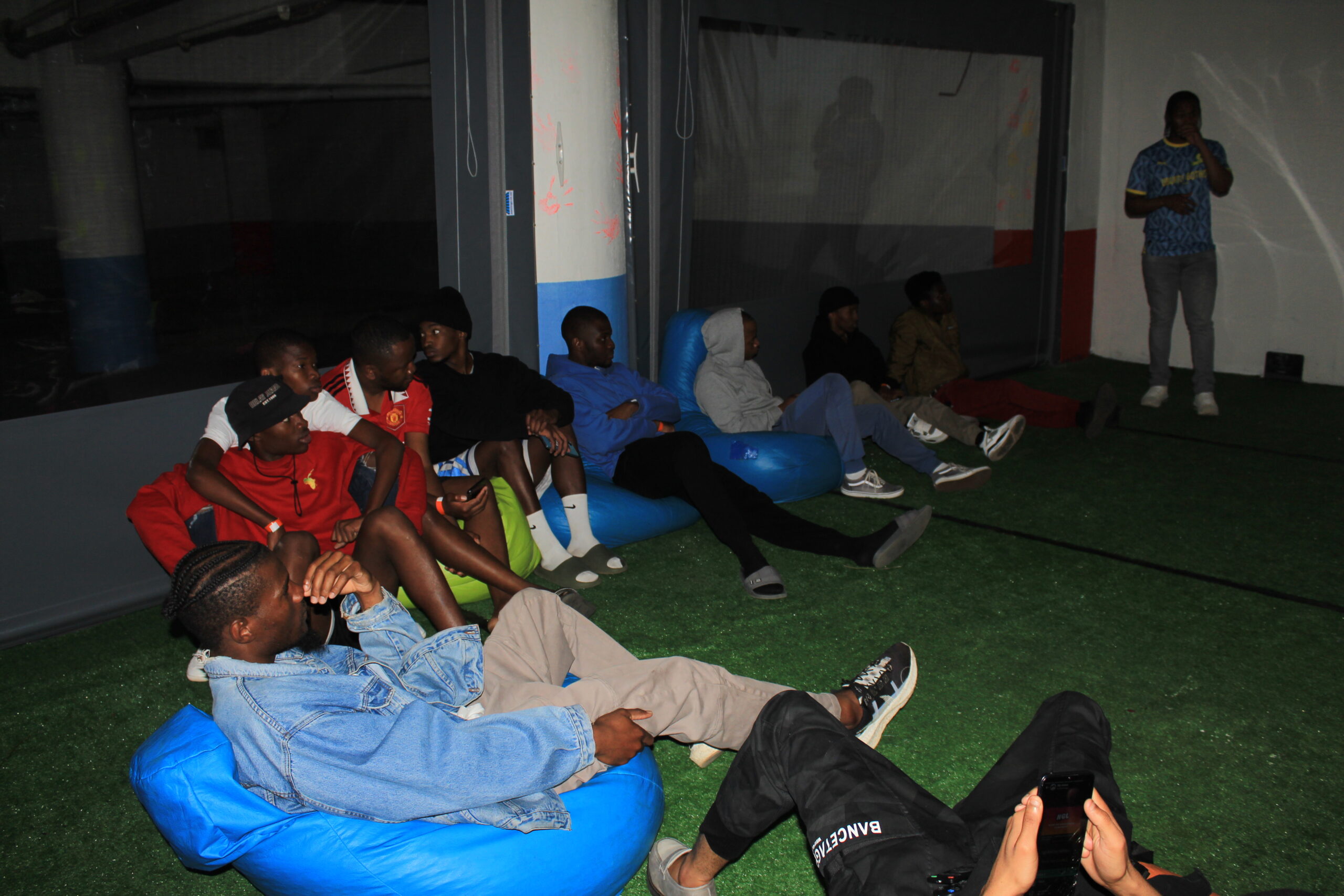
This past Saturday, we gathered for an engaging and thought-provoking Men’s Conference, focusing on the evolving concept of masculinity in today’s society. With a carefully curated agenda, the event explored the complexities of what it means to be a man in the modern world, offering participants an opportunity to connect, reflect, and redefine masculinity.
Welcome and Icebreakers: Building Brotherhood
The conference kicked off with an energetic welcome, setting the tone with a traditional Gwijo song, “Ke beha bophelo baka matsohong a hao Jeso,” and a powerful prayer. This was followed by icebreaker activities designed to foster camaraderie among the attendees. We divided into groups for some light-hearted yet competitive challenges, including arm wrestling, push-ups, and debates. The debates, with provocative topics like “Men are dogs” and “Behind every man’s downfall, there’s a woman,” sparked intense yet respectful discussions, setting the stage for the deeper conversations that followed.
Debate Session: “Behind Every Man’s Downfall, There’s a Woman”
This provocative statement brought to the forefront a range of emotions and opinions, leading to a lively yet respectful exchange of ideas. The topic itself is deeply rooted in longstanding societal narratives that often place blame on women for the struggles or failures experienced by men. This session challenged those attending to critically assess these narratives and their implications.
The discussion quickly revealed the complexity of the topic. Some participants argued that this phrase has been used historically to deflect responsibility from men, creating a scapegoat in women rather than addressing the real issues at play. They emphasized that such thinking undermines both men and women, perpetuating harmful stereotypes and obstructing genuine self-reflection and growth. These voices called for a shift in perspective, advocating for a recognition of personal accountability and the importance of understanding the broader socio-economic and cultural factors that contribute to an individual’s challenges.
On the other side of the debate, some participants shared experiences where relationships with women had indeed played a significant role in their personal difficulties. These contributions were not meant to vilify women but rather to highlight the complex dynamics of relationships and the impact they can have on an individual’s life trajectory. However, even within this group, there was a strong acknowledgment that blaming women for men’s downfalls is an oversimplification. The conversation evolved into a broader reflection on how gender expectations and relationship dynamics can contribute to mutual misunderstandings and hardships.
What made this debate particularly powerful was the respect and openness with which participants engaged with one another. Despite differing views, there was a shared understanding that the phrase “Behind every man’s downfall, there’s a woman” is not an absolute truth but a reflection of deeper societal issues. The discussion encouraged everyone to think beyond blame and consider how both men and women can support each other in overcoming life’s challenges.
This debate set the stage for the deeper conversations that followed throughout the day, particularly in the sessions on redefining masculinity and advice for positive male influence. It underscored the importance of challenging harmful narratives and fostering a more nuanced understanding of the roles both men and women play in each other’s lives. The takeaway was clear: to build a more supportive and equitable society, we must move beyond simplistic blame and towards a more empathetic and responsible approach to our relationships and personal growth.
Session 1: Redefining Modern Masculinity
The first session delved into the heart of the conference’s theme: the redefinition of masculinity. We explored how traditional notions of masculinity—often characterized by stoicism, dominance, and emotional suppression—are evolving. The discussion highlighted the impact of media and culture on shaping these perceptions and challenged us to reconsider what it truly means to be a man. Group discussions allowed us to share personal experiences, offering insights into how we each navigate the pressures and expectations placed upon us.
Historically, masculinity has been closely tied to qualities such as stoicism, dominance, and emotional suppression. These traits were often upheld as the standard for what it means to be a “real man,” with emotions like vulnerability and empathy viewed as weaknesses. Men were expected to be providers, protectors, and leaders, with little room for expressing their true feelings or acknowledging their struggles. This narrow definition of masculinity has had profound effects on men’s mental health, relationships, and overall well-being.
During the session, we took a closer look at how these traditional notions have been perpetuated through various channels, including family expectations, societal norms, and, notably, media and cultural representations. From movies to advertisements, the image of the stoic, tough-as-nails man has been glorified, reinforcing the idea that strength is synonymous with silence and that vulnerability is something to be hidden or, worse, ashamed of.
The session concluded with a collective agreement that redefining masculinity is not just about changing individual behavior but about creating a cultural shift. It’s about building a society where men can express a full range of emotions without fear of judgment, where they can lead with empathy and compassion, and where they can forge their identities based on their true selves rather than outdated stereotypes.
Lightning-Fast Feasts and Laughter
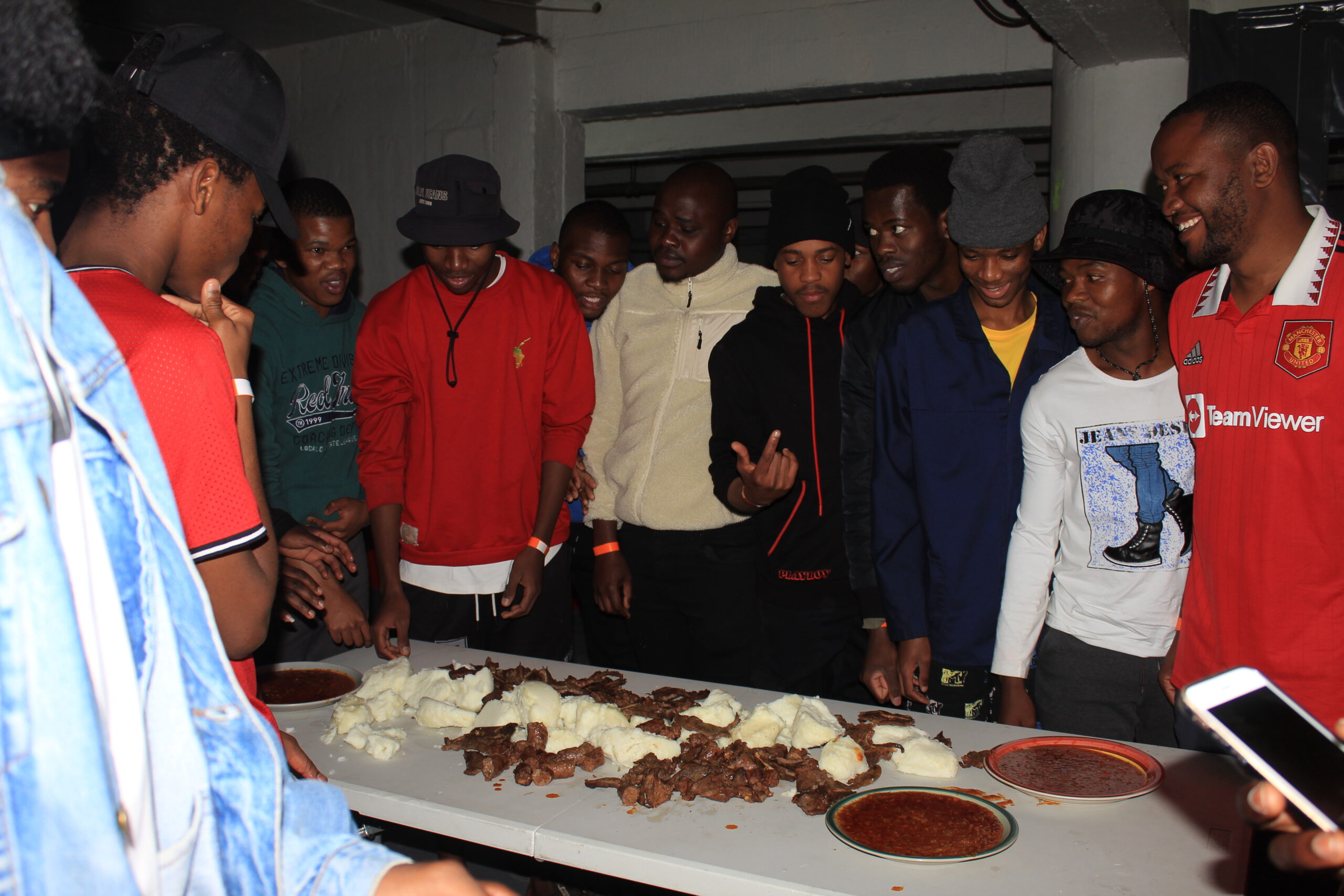
After an intense session on redefining masculinity, we transitioned into the lunch break—a moment of respite and camaraderie. But what unfolded was nothing short of a spectacle. As soon as the food was served, it was as if a switch had been flipped; the room transformed into a scene of swift, almost comedic consumption.
The energy was palpable as everyone dove into their meals with a vigor that could only be described as lightning-fast. The table that had been carefully prepared with delicious food were emptied in what felt like seconds. The laughter and chatter that filled the room only added to the atmosphere, making it clear that this was a group of men who, after deep discussions, were ready to refuel and reconnect over a hearty meal.
There was a sense of urgency. It was like a shared understanding—everyone was enjoying their food to the fullest. The camaraderie continued to build as we joked about how quickly the food disappeared, with some even lightheartedly competing to see who could finish first.
This moment of levity was a perfect counterbalance to the more serious discussions of the day. It reminded us that even as we navigate the complexities of modern masculinity, there’s always room for simple pleasures, like enjoying a meal with friends—no matter how fast it disappears.
Closing Reflections
As the conference drew to a close, we gathered for final reflections. The open forum provided a space for participants to share their key takeaways and personal commitments. It was inspiring to hear how the discussions resonated with everyone, with many expressing a renewed sense of purpose and a commitment to applying what they had learned in their daily lives.
The Men’s Conference was more than just an event; it was a call to action for us to redefine masculinity in a way that is inclusive, compassionate, and authentic. As we left the conference, we carried with us not just the lessons learned, but a sense of brotherhood and a collective responsibility to challenge outdated notions of what it means to be a man. The journey to redefining masculinity is ongoing, but this conference was a powerful step in the right direction.